
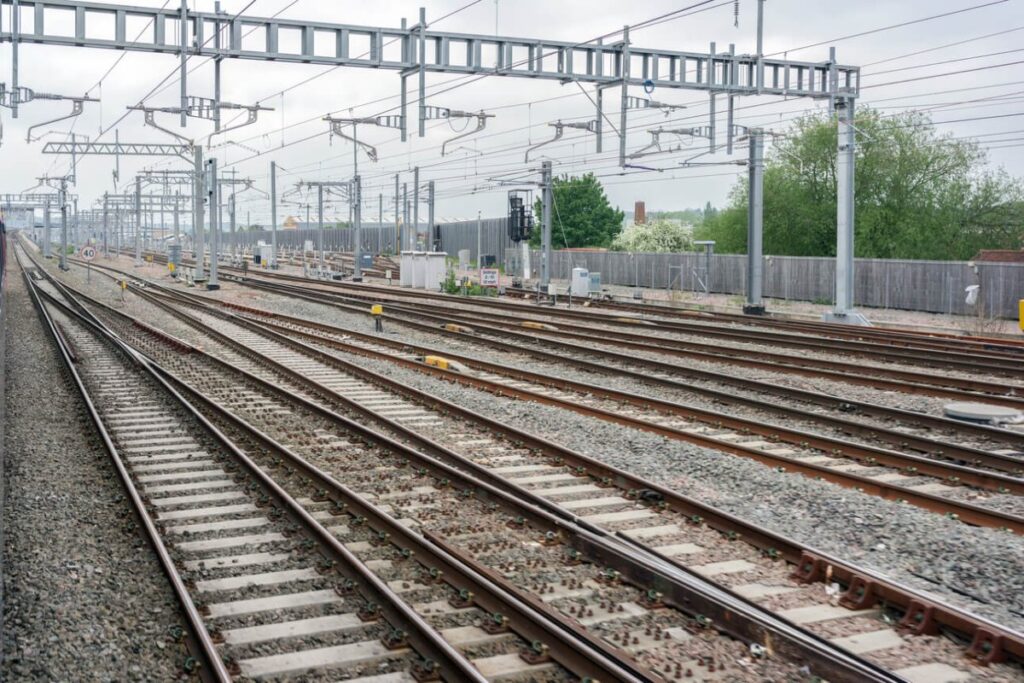
 In the realm of modern infrastructure development, few elements are as crucial as Overhead Electrification (OHE). This technology, often abbreviated as OHE, plays a pivotal role in powering various forms of transportation and ensuring the efficient functioning of urban and industrial systems. In this blog post, we’ll delve into the intricacies of OHE and its significance in shaping the infrastructure landscape of today and tomorrow.
Introduction to OHE: Powering the Future
Overhead Electrification, or OHE, refers to the system of providing electrical power to trains, trams, and other electrically powered vehicles through overhead wires. This technology has been in use for decades, evolving and adapting to meet the changing needs of transportation and industrial sectors. Today, OHE stands as a cornerstone of modern infrastructure, enabling the electrification of railways, metros, and light rail systems across the globe.
Enhancing Efficiency and Sustainability
One of the primary advantages of OHE lies in its ability to enhance the efficiency and sustainability of transportation networks. By electrifying railway lines and other transit systems, OHE reduces dependence on fossil fuels, leading to lower emissions and cleaner air. This shift towards electrification aligns with global efforts to combat climate change and create more sustainable modes of transportation.
Driving Innovation in Transportation
The integration of OHE into modern infrastructure has spurred innovation in the transportation sector. Electric trains and trams powered by overhead wires offer numerous benefits, including faster acceleration, quieter operation, and smoother rides. Additionally, OHE facilitates the development of high-speed rail networks, connecting cities and regions with rapid and efficient transportation links.
Ensuring Reliability and Resilience
Reliability is paramount in infrastructure development, and OHE plays a crucial role in ensuring the dependable operation of electric transportation systems. By delivering consistent power to trains and trams, OHE minimizes disruptions and delays, enhancing the overall reliability of public transit networks. Moreover, OHE systems are designed with built-in redundancies to withstand adverse weather conditions and other challenges, ensuring resilience in the face of adversity.
Conclusion: Embracing the Future of Infrastructure with OHE
As we navigate the complexities of modern infrastructure development, Overhead Electrification emerges as a cornerstone technology that drives progress and innovation. From powering electric trains to enhancing sustainability and reliability, OHE plays a vital role in shaping the infrastructure landscape of today and tomorrow. As we continue to explore new frontiers in transportation and urban development, let us recognize the indispensable contribution of OHE in building a brighter, more sustainable future.
We hope this blog post has provided valuable insights into the significance of OHE in modern infrastructure development. What are your thoughts on the role of OHE in shaping the future of transportation? Feel free to share your comments and perspectives below. We look forward to hearing from you!